


Overview
Depression is a common mental disorder that affects in a significant way how people behave, think, and feel. It is characterized by persistent sadness plus a lack of interest or pleasure in activities that once were enjoyable. People feel guilty or have low self-worth, sleep or eat poorly, have low energy, and struggle to concentrate when they are depressed. In more severe cases, thoughts of self-harm or suicide may arise should depression become recurrent or chronic (World Health Organization: WHO & World Health Organization: WHO, 2023)
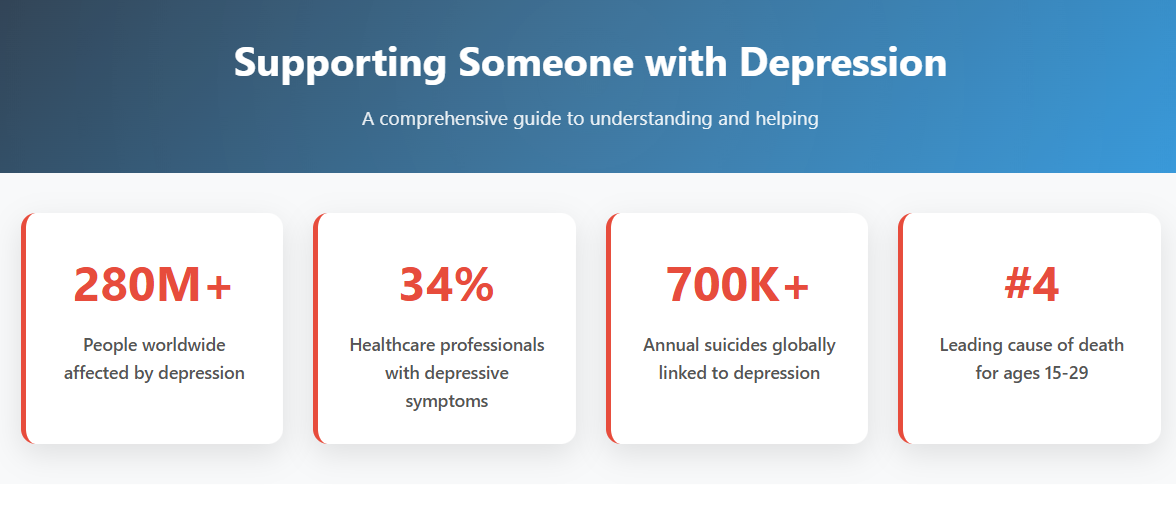
Depressive Disorder affects more than 280 million people worldwide and can be a leading cause of disability affecting people of all ages. The condition is more common among women than men. Several factors contribute to depression as it develops, and they include genetic vulnerability, life events such as trauma or loss, chronic medical conditions, plus substance use. Biological, psychological, and social factors often interact complexly to make the condition arise (World Health Organization: WHO & World Health Organization: WHO, 2023)
Depression is also a key factor in over 700,000 global suicides yearly. Suicide can be particularly alarming within younger populations because it ranks as the fourth leading cause of death for people between the ages of 15 and 29. Therefore, to diagnose depression with speed as well as to intervene effectively may well prevent suicide. These actions are critical components in suicide prevention (World Health Organization: WHO & World Health Organization: WHO, 2023). In this post we will explore on how to support depression.
What it might look like in a Clinical or Tech-Driven Setting
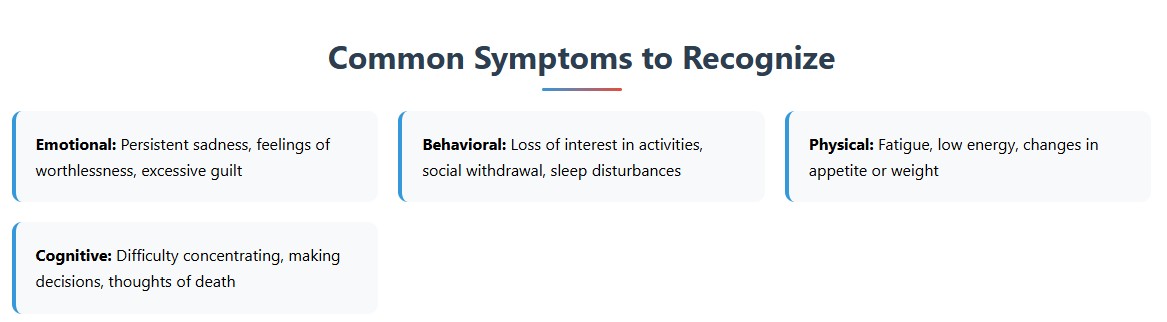
Common Symptoms of Depression in Healthcare Providers
- Persistent sadness or a low mood
- Loss of interest or pleasure in activities
- Fatigue or low energy
- Sleep disturbances (insomnia or hypersomnia)
- Feelings of worthlessness or excessive guilt
- Difficulty concentrating or making decisions
- Changes in appetite or weight
- Psychomotor agitation or retardation
- Thoughts of death or suicide
A cross-sectional study found that over 34 % of healthcare professionals experienced depressive symptoms, including the following among some risk factors: insomnia, job burnout, longer working hours, and work-family conflict. The study highlights that the incidence of depressive symptoms among healthcare workers remains high, even in the post-pandemic era.(Liang et al., 2023)
Employees in information technology overall showed lower chances of depressive symptoms compared to those in a broad cohort study. Careers in information technology are associated with greater mental health challenges, suggesting that the overall risk may be lower. Issues like burnout, focus problems, and sleep disturbances are prevalent among the general population, alongside sustained feelings of despair and apathy.
Stressors related to IT can include long hours and heightened cognitive demands. Certain demographics may be more susceptible to job strain and burnout.(Lalloo et al., 2022).
How practical is positive psychology?
Positive Psychology Therapy (PPT) has been found to be effective in reducing depressive symptoms over a six-month follow-up period. In a study with a large sample of Austrian individuals undergoing group therapy, PPT showed larger effect sizes and resulted in lower levels of depressive symptomatology over time, demonstrated consistently higher and stable effects lasting at least six months. (Furchtlehner et al., 2020).
Self-compassion acts as a protective factor in the relationship between stigma and treatment adherence among young breast cancer patients. Specifically, stigma leads to lower adherence to a lesser extent in individuals with average and above-average self-compassion compared to those with below-average self-compassion. This suggests that self-compassion can buffer the adverse effects of stigma, supporting self-care activities such as adherence to treatment. Developing self-compassion skills through psychological interventions may therefore improve adherence and potentially increase survival rates in this population (Vizin et al., 2023).
A Guideline on how to support someone with depression
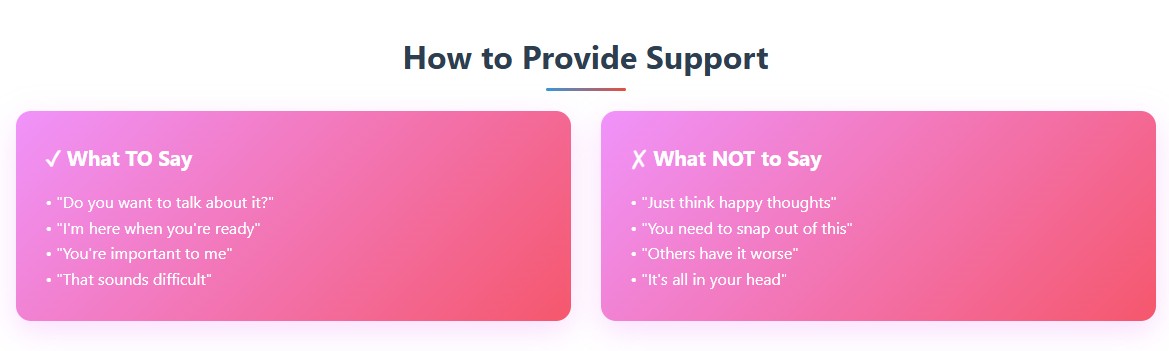
Supporting a loved one experiencing depression begins with compassion and patience. Offering a listening ear without pressure is essential and using words that validate their feelings while expressing your availability can be deeply reassuring. For instance, someone might say, “Do you want to talk about it?” Comfort and encouragement can also come through statements like, “I’m here when you’re ready,” or “You’re not alone — I may not understand exactly how you feel, but you’re not alone.” Avoid remarks such as “Just think happy thoughts” or “You need to snap out of this,” as they can minimize the person’s experience and be harmful. Instead, focus on acknowledging their struggle with responses like, “That sounds difficult; how are you managing?” and communicate your concern through affirmations like, “You’re important to me” or “I’m here for you if you need me.” (Elmer, 2025)
Encouraging a loved one to seek professional help is a meaningful step. Depression is a medical condition, not a weakness, so gently remind them that reaching out for support is an act of strength. Offer practical assistance, such as sharing meals or accompanying them to appointments, and check in on their therapy. These simple gestures can significantly impact their journey toward healing. Recognizing any progress they make, however small, can provide valuable encouragement (Elmer, 2025)
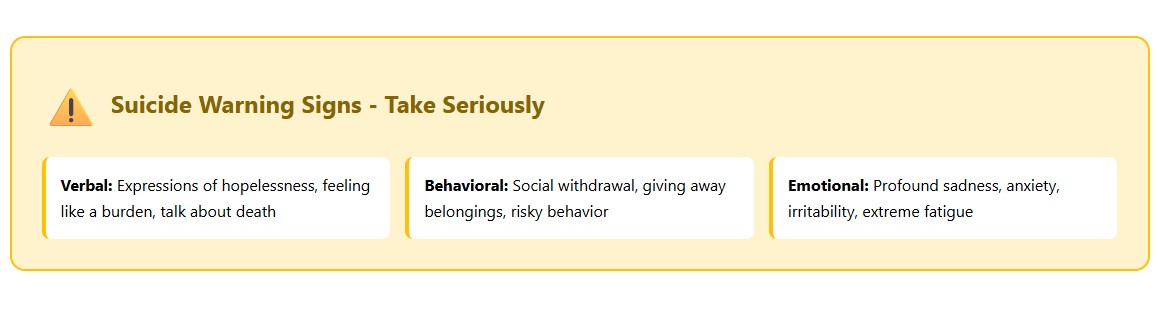
Appropriate support also involves understanding the warning signs of suicidal thoughts. Be attentive to verbal expressions of hopelessness, feelings of being a burden, or talk about death. Watch for behavioural shifts such as social withdrawal, increased substance use, giving away cherished belongings, or engaging in risky behaviour. Emotional signals—such as profound sadness, anxiety, irritability, or fatigue—also deserve attention. Take these signs seriously. Responding quickly and with care can make a life-saving difference (Elmer, 2025).
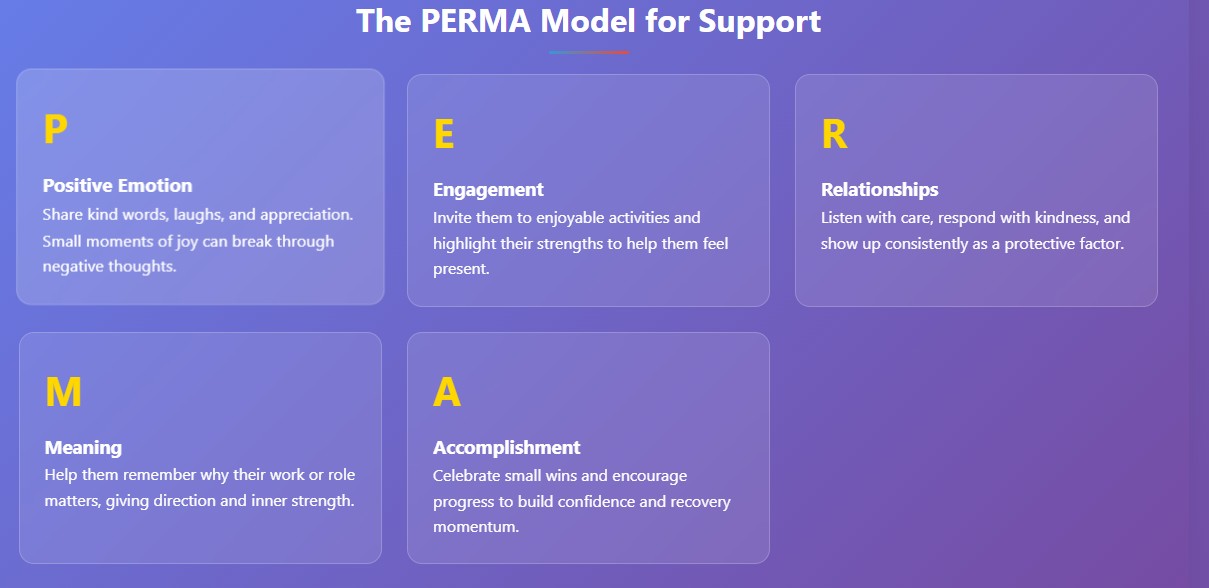
What You Can Do? Small Actions Guided by the PERMA Model
Positive Emotion:
Say something kind, share a laugh, or show appreciation.
Why it helps: Even small moments of joy can break through negative thoughts and remind someone they matter.
Engagement:
Invite them to join in on something enjoyable and highlight their strengths.
Why it helps: Being involved in meaningful activities can lift their mood and help them feel more present.
Relationships:
Listen with care, respond with kindness, and show up consistently.
Why it helps: A supportive relationship can be one of the most powerful protectors against depression.Meaning: remind them of the noteworthiness of their work.
Meaning:
Help them remember why their work or role matters.
Why it helps: Feeling a sense of purpose gives direction and inner strength.
Accomplishment:
Celebrate even the smallest wins and encourage progress.
Why it helps: Achievements—big or small—build confidence and momentum for recovery.
Final Thoughts
Assisting an individual with depression requires patience, empathy, and vigilance. With empathetic communication, assisting professional care, observing warning signs, and having a resource list of where to turn in a crisis, loved ones can provide support that is meaningful. Remember that those who experience depression are not isolated, and your presence and compassion can be a potent catalyst for hope and healing.
References
- Elmer, J. (2025, June 3). Not Sure What to Say to Someone with Depression? Here Are 7 Ways to Show Support. Healthline. https://www.healthline.com/health/what-to-say-to-someone-with-depression#what-to-say
- Furchtlehner, L. M., Schuster, R., & Laireiter, A. (2019). A comparative study of the efficacy of group positive psychotherapy and group cognitive behavioral therapy in the treatment of depressive disorders: A randomized controlled trial. The Journal of Positive Psychology, 15(6), 832–845. https://doi.org/10.1080/17439760.2019.1663250
- Lalloo, D., Lewsey, J., Katikireddi, S. V., Macdonald, E. B., Campbell, D., & Demou, E. (2022). Comparing Anxiety and Depression in Information Technology Workers with Others in Employment: A UK Biobank Cohort Study. Annals of Work Exposures and Health, 66(9), 1136–1150. https://doi.org/10.1093/annweh/wxac061
- Liang, Z., Wang, Y., Wei, X., Wen, W., Ma, J., Wu, J., Huang, S., & Qin, P. (2023). Prevalence and associated factors of depressive and anxiety symptoms among healthcare workers in the post-pandemic era of COVID-19 at a tertiary hospital in Shenzhen, China: A cross-sectional study. Frontiers in Public Health, 11. https://doi.org/10.3389/fpubh.2023.1094776
- Vizin, G., Szekeres, T., Juhász, A., Márton, L., Dank, M., Perczel-Forintos, D., & Urbán, R. (2023). The role of stigma and depression in the reduced adherence among young breast cancer patients in Hungary. BMC Psychology, 11(1). https://doi.org/10.1186/s40359-023-01355-4
- World Health Organization: WHO & World Health Organization: WHO. (2023, March 31). Depressive disorder (depression). https://www.who.int/news-room/fact-sheets/detail/depression