

Introduction
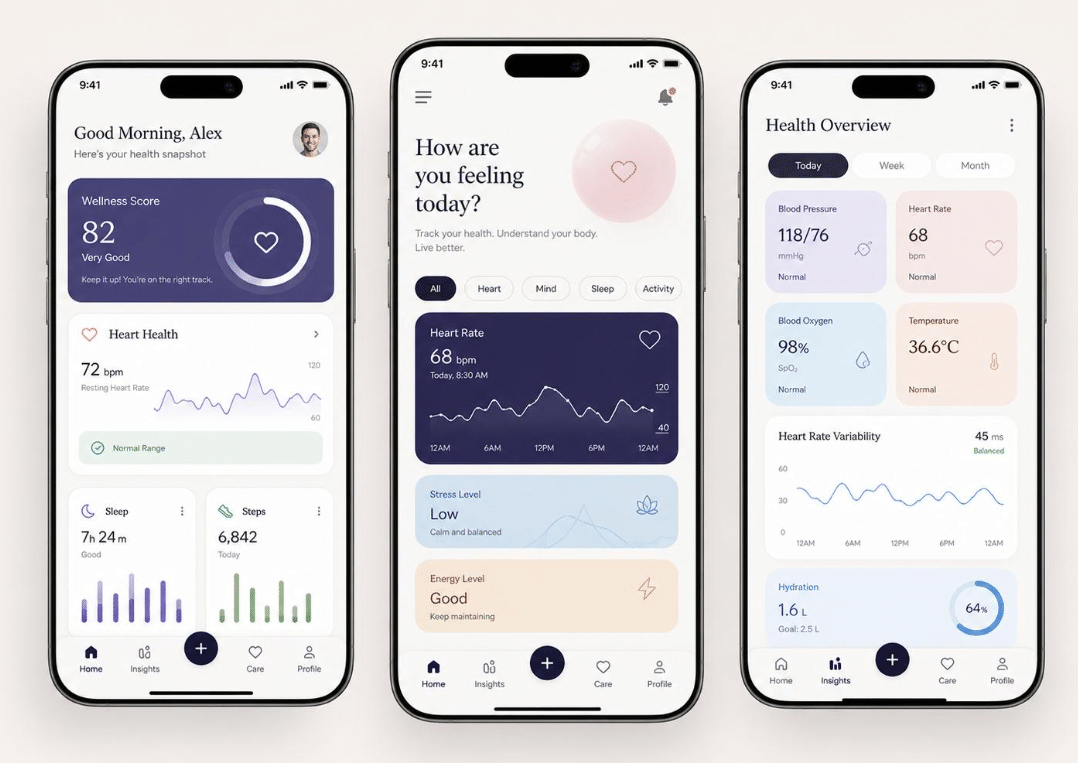
Imagine using a healthcare application that reminds you to take your medication, records your daily activities and keeps track of your health measurements. It does everything it was designed to do. Yet, after a few weeks, you stop using it.
Perhaps the reminders have become repetitive. Perhaps the activities do not fit into your daily routine. Or perhaps the application tells you what you need to do but does very little to understand why you find it difficult.
This is not an unusual experience. Many healthcare applications are developed with a clear purpose: to monitor symptoms, collect information, encourage healthy behaviour or help people manage a medical condition. Their technical capabilities may be impressive, but the experience of using them does not always reflect the realities of everyday life.
Consider someone who is trying to improve their physical health while managing work, family responsibilities and other personal commitments. They may understand the importance of regular exercise, but finding the time and motivation to do it is another matter. A notification reminding them to complete their daily target may not be particularly helpful when they are already feeling overwhelmed.
What might make a difference is an application that recognises their circumstances, helps them identify realistic goals and encourages them to build on the progress they have already made.
This raises an interesting question for healthcare technology developers. Are we designing tools that simply help people manage their health, or are we creating experiences that help them feel more confident and involved in their own wellbeing?
I believe positive psychology in healthcare technology design has an important contribution to make here.
The person behind the health data
Healthcare technology has become increasingly sophisticated. We can now monitor physical activity, record sleep patterns, track blood glucose levels and access health information through mobile devices. These developments have made it easier for people to understand certain aspects of their health and share information with healthcare professionals.
However, health data only tells us part of the story.
A person may have excellent results on a health dashboard but still feel anxious, disconnected or dissatisfied with their everyday life. Someone else may be managing a chronic condition while maintaining strong relationships, finding purpose in their work and feeling positive about what they can achieve.
These experiences are not always visible through traditional health measurements.
This is one of the reasons positive psychology deserves greater attention in healthcare technology. It moves the discussion beyond illness and difficulties to include personal strengths, positive emotions, meaningful relationships and the things that help people live fulfilling lives.
It does not suggest that we should ignore medical conditions or replace clinical treatment with positive thinking. Rather, it asks us to consider the individual as a whole person.
When designing a healthcare application, for instance, we might ask what information the user needs. But we should also consider how the application makes them feel, whether its recommendations are realistic and whether it helps them recognise their own ability to make changes.
These considerations may appear small during product development, but they can influence how people relate to the technology over time.
What can the PERMA model teach us about designing healthcare tools?
Martin Seligman’s PERMA model provides a useful starting point for understanding wellbeing. It identifies five elements: Positive Emotion, Engagement, Relationships, Meaning and Accomplishment.
Although the model was not developed specifically for digital healthcare, I find it particularly useful when considering how technology can support the human experience.
Take positive emotion, for example. Healthcare applications often communicate through notifications and reminders. The language used in these messages can influence how people experience the product. There is a difference between telling someone that they have failed to achieve a target and encouraging them to try a smaller activity when they feel ready. Both messages may relate to the same goal, but the experience is quite different.
Engagement is another consideration. We often assume that adding more features will make an application more interesting. However, people are more likely to find value in technology when it relates to their actual needs. An application that offers a few relevant activities may be more useful than one that overwhelms users with choices.
Relationships are equally important. Healthcare is not an individual experience. Family members, friends and healthcare professionals often play an important role in helping someone manage their health. Digital tools can make communication easier and provide opportunities for support, but they should not attempt to replace meaningful human interaction.
Meaning is perhaps one of the most interesting elements to consider. Why does someone want to improve their health in the first place? For one person, it may be the desire to spend more active time with their children. For another, it may be returning to work, travelling or enjoying a hobby. When healthcare activities are connected to personal priorities, they become more relevant to everyday life.
Finally, accomplishment is about recognising progress. Not everyone will achieve their health goals at the same pace. An application that acknowledges small improvements and allows people to reflect on what they have achieved may offer a more supportive experience than one that focuses exclusively on targets.
The PERMA model gives developers a way of thinking about these experiences during product design. Rather than treating wellbeing as an additional feature, it encourages us to consider how each interaction contributes to the user’s overall experience.
A research example: Helping people recognise their strengths
An interesting example of positive psychology being considered during healthcare technology development is the MyStrengths mobile application.
In a 2020 research paper published in JMIR Formative Research, Jessen, Mirkovic and Solberg Nes described the development of a mobile health tool intended to help people living with chronic illnesses identify and use their personal strengths in everyday life.
The thinking behind the application was quite different from that of many conventional health tools.
People managing long-term conditions are often given information about their symptoms, limitations and the activities they need to monitor. While this information is necessary, it can sometimes leave little room for discussing what people are already good at and how these qualities might help them manage everyday challenges.
The MyStrengths project explored this gap.
The researchers involved patients, caregivers, relatives, designers and healthcare professionals in the development process. They organised workshops, discussed ideas with experts and invited people from the intended user group to contribute to the design.
The application included activities that helped users identify personal strengths, reflect on their experiences and consider how they could use these strengths in everyday situations.
One particularly interesting aspect of the research was the importance given to user feedback. Some of the initial exercises were considered too complicated, so the team revised them to make them easier to understand and complete.
This is an important lesson for anyone developing healthcare technology. An idea may have a strong psychological foundation, but that does not automatically make it suitable for everyday use. People need to understand what they are being asked to do and see how it relates to their lives.
The study did not establish that the application improved clinical outcomes. Its contribution was to demonstrate how a strengths-based approach could be incorporated into the design and development of a digital health tool, with the intended users actively involved in the process.
I particularly like the thinking behind this approach because it changes the way we view people living with chronic conditions. They are not simply individuals who need to follow instructions or manage symptoms. They also have abilities, experiences and personal resources that can be recognised and supported.
From understanding user requirements to understanding human needs
In healthcare technology development, considerable time is spent gathering requirements, defining functionality and deciding what information a product should collect.
These activities are essential. However, understanding what a user needs from a system is not always the same as understanding what would make the experience valuable to them.
For example, a person using a digital health platform to improve their sleep may initially ask for sleep tracking and reminders. But during a conversation, they might explain that their real concern is feeling exhausted at work and not having enough energy to spend time with their family.
This additional information changes how we might approach the design.
Rather than concentrating exclusively on sleep measurements, the development team could explore how the person understands their energy levels, what affects their daily routine and which small changes they feel comfortable making.
The same principle can be applied to applications supporting physical activity, stress management, chronic disease self-management and general wellbeing.
It also has implications for user research. Instead of asking only whether people can navigate an application or complete a task, we can explore whether they understand the recommendations, feel comfortable using the product and believe that it addresses something important in their lives.
This does not mean that every healthcare application needs to become a psychological intervention. It means that the human experience should be considered alongside functionality, usability and clinical requirements.
Can artificial intelligence make healthcare technology more personal?
Artificial intelligence is introducing new possibilities for digital healthcare. Applications can increasingly analyse information, identify patterns and provide suggestions based on individual inputs.
However, personalisation should involve more than using data to recommend the next activity.
Consider two people who both want to become more physically active. One enjoys walking outdoors, while the other prefers spending time at the gym. They may have the same broad health objective, but their preferences and motivations are different.
A useful digital tool should allow for these differences.
Similarly, someone who has missed several days of an activity may need a different approach from someone who is progressing comfortably. Repeating the same reminder is unlikely to address every situation.
AI may help identify patterns and offer relevant suggestions, but it should not assume that it understands everything about a person’s circumstances. It cannot replace professional judgement or the value of human relationships. Its recommendations also need to be transparent, appropriate and safe.
The opportunity is to use technology to make healthcare experiences more relevant while allowing individuals to remain in control of their choices.
Measuring whether a healthcare tool is genuinely useful
There is another question worth considering when developing digital healthcare products: how do we know whether we have created something that makes a difference?
Downloads, daily active users and completed activities are useful measures of product engagement. However, they do not necessarily tell us whether people feel more confident, supported or motivated.
A healthcare application may have a high number of active users without necessarily improving their experience of managing their health.
It is therefore worth including questions about personal experience in product evaluation.
Do people find the recommendations relevant? Do they feel comfortable using the application? Can they recognise their own progress? Does the technology help them work towards goals that matter to them?
These questions can be explored through user interviews, feedback questionnaires and appropriate wellbeing measures.
It is also important to distinguish between usability, engagement and actual health or wellbeing outcomes. They are related, but they are not interchangeable. A product may be easy to use without producing measurable improvements in wellbeing.
Understanding these differences allows developers to make more responsible decisions about what their technology can and cannot achieve.
A different way of thinking about healthcare technology
We have become very good at developing healthcare tools that collect information, monitor activities and help people access services. These functions will continue to be important.
But perhaps we need to spend a little more time considering the experience of the person using them.
When someone opens a healthcare application, they bring their entire life with them. They may be dealing with work pressures, family responsibilities, uncertainty about their health or the frustration of not seeing the progress they had hoped for.
A well-designed product cannot solve all these difficulties. However, it can avoid adding to them. It can communicate more thoughtfully, offer realistic choices and help people recognise the strengths they already possess.
This is where positive psychology in healthcare technology design makes a valuable contribution. It encourages us to look beyond what needs to be corrected and consider what can be supported, developed and strengthened.
Ultimately, the success of healthcare technology should not be judged only by how much information it collects or how many activities it records. We should also consider whether it helps people feel more informed, confident and involved in their own wellbeing.
Perhaps the real opportunity is to create technology that does not simply monitor how people are doing, but helps them understand what matters to them and take meaningful steps towards it.
That is a much more human way of thinking about digital healthcare.
References
- Jessen, S., Mirkovic, J., & Solberg Nes, L. (2020). MyStrengths, a strengths-focused mobile health tool: Participatory design and development. JMIR Formative Research, 4(7), e18049. https://doi.org/10.2196/18049
- Seligman, M. E. P. (2011). Flourish: A visionary new understanding of happiness and well-being. Free Press.