


Introduction
Healthcare provider shortage has become a screaming crisis, influencing patient care and satisfaction at its core. However, the solution may lie beyond traditional staffing and policy changes. The WHO projects a shortage of 10 million healthcare workers by 2030, with the majority of this gap occurring in low- and lower-middle-income countries.By fostering positive emotion and a strong sense of meaning at work based on the PERMA model, or Positive Emotion, Engagement, Relationships, Meaning, and Accomplishment, healthcare organizations can buffer the negative consequences of staffing shortages for professionals and patients alike.
We discuss here how incorporating the principles of positive psychology can change the equation at workforce, enhance patient care, and retain staff.
Understanding the Healthcare Staff Shortage Crisis
The healthcare shortage crisis has many dimensions. The shortage encompasses doctors, nurses, other allied professionals, and even administrative. One of the most worrying dimensions of this shortage crisis relates to the health care providers-to-patients ratio. An article in The Guardian reported that the 107-page blueprint to reform the NHS is believed to warn that without radical action, the health service will have 28,000 fewer GPs, 44,000 fewer community nurses, and an even greater shortfall of paramedics inside 15 years, leading to radical staff shortages. This disparity leads to overworked professionals, an increased workload, and thus compromised patient care.
Quality of Patient Care
Quality patient care is not just efficacy in treatment; it is all about the personal touch and attention that health professionals can give. Recent research entitled ‘The Patient Safety Company’ presents findings that staff shortage creates a rushed environment, leaving healthcare providers with less time to talk to patients. This diminishes the holistic care experience patients deserve. Furthermore, with fewer professionals, there will be a greater likelihood of medical mistakes, further affecting patient safety and outcomes. Staffing is one key to ensuring patient safety, but also providing some tools to help them stay on top of incident management and near-misses that happen is equally important, especially when healthcare organizations are facing staff shortages. Studies have pointed out that higher nurse staffing levels reduce mortality, medication errors, ulcers, restraint use, infections, and pneumonia, whereas aspirin use and the number of patients receiving percutaneous coronary intervention within 90 minutes increase. A literature review identified that poor patient outcomes, including length of stay, patient dissatisfaction, poor quality of nurse-delivered care, and readmission, were associated with poor levels of nurse staffing. Furthermore, strained nurse staffing levels actually appear to lead to worsening of the staff shortage situations.
The Emergency Departments (EDs) are the first point of contact with medical treatment, and any shortage in the number can have serious consequences. According to a study published in the Journal of Emergency Medicine, EDs that experience staff shortages face lengthy waiting times and have less satisfied patients. These lengthy waiting times may aggravate a patient’s condition and have perceived negativity about the healthcare facility. The psychological trauma of being intertwined with this ongoing pandemic pressure makes the workforce staffing worse as more and more nurses are leaving either the emergency department or the field. This is causing a situation in which a majority of “baby boomer” nurses currently in practice are reaching their retirement age, which is further compounding the issue at hand.
Communication Breakdowns and Patient Satisfaction
Effective communication between patients and healthcare providers is pivotal for accurate diagnosis, treatment understanding, and emotional support. The Journal of Hospital Medicine published a study revealing that during periods of staff shortage, the time available for communication dwindles. This can leave patients confused, anxious, and unsatisfied with the care they receive. Patient dissatisfaction can have long-lasting effects on a healthcare facility’s reputation and overall success.
The latest NHS backlog data analysis indicates how The NHS in England faces growing treatment backlogs, with substantial waiting lists for operations, cancer care, and emergency services. Pressures from increased demand, workforce shortages, and disruptions caused by the COVID-19 pandemic continue to challenge service capacity, extending wait times and hindering patient care across the system.
Mental Health Implications for Healthcare Staff
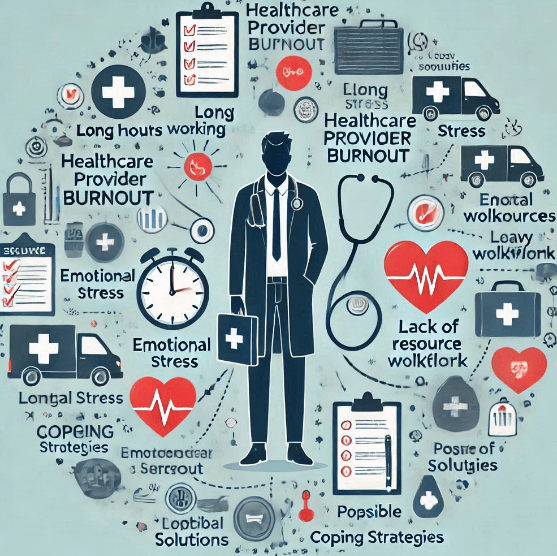
The effects of staff shortages extend beyond patient care and infiltrate the well-being of healthcare providers. The Journal of Healthcare Management indicates that healthcare professionals working in chronically understaffed environments face increased stress, burnout, and emotional exhaustion. These factors not only impact their own mental health but can also lead to decreased empathy and effectiveness when interacting with patients.
How Positive Emotions and Meaning Influence Patient Care Quality
Positive emotions and a sense of purpose in healthcare work can be instrumental in enhancing patient care quality, even amidst shortages. The PERMA model suggests that fostering positivity and meaning can increase engagement, reduce burnout, and encourage resilience. This heightened resilience can lead to better interactions with patients, greater empathy, and a more committed workforce. In practice, positive psychology-based training programs for healthcare workers can help reinforce these qualities, promoting a supportive work culture and enhancing the patient experience. When healthcare professionals feel meaningful and valued in their roles, their positive attitudes can improve communication and patient interactions, even under stressful conditions.
Embedding positivity and a sense of meaning into the workplace can mitigate stress, enabling Emergency Department staff to maintain composure and efficiency during crises. Studies reveal that a more positive workplace in high-stress environments like EDs not only boosts staff morale but also reduces the likelihood of patient harm and enhances the quality of care provided.
Integrating PERMA-based principles, such as offering mental health support, recognizing accomplishments, and fostering relationships within teams, can alleviate these effects. When healthcare staff feel supported and have a sense of purpose, they experience fewer mental health issues, remain more engaged, and are more resilient to workplace stress, directly benefiting patient care quality.
Innovative Solutions Using Positive Psychology in Response to Staff Shortages
- The healthcare staffing crisis can thus be attenuated by adopting an integrated approach in which PERMA-based interventions are integrated into traditional solutions in the form of the following:
- Workplace Well-being Programmes: Resilience, teamwork, and emotional well-being-segmented positive psychology training.
- Recognition Programmes: Acknowledge and appreciate the staff regularly.
- Improved Communication Skills Training: Trained and specific communications with empathy and clarity will benefit the patients as well as professionals.
- Flexible Scheduling: Allow flexibility in shifts to reduce instances of burnout and balance life and work.
- Career Development and Mentorship: Develop real career pathways and mentorship that make staff want to stay.
- Advocacy Policy: Advocate for policies that create environments supportive of their employees’ work and provide resources that address mental health.
Conclusion
The health professionals shortage crisis has consequences on both patient experiences and the well-being of healthcare providers. Traditional approaches toward recruitment and retention are essential, but applying principles arising from PERMA, which nurture positive emotions and a sense of meaning in healthcare work, may provide a complementary solution. Health systems will be able to create a more resilient workforce, able to deliver quality care for patients by fostering a positive and purposeful working environment.
References
- Association of Emergency Department Waiting Times With Patient Experience in Admitted and Discharged Patients. J. Patient Exp. 8, 23743735211011404. https://doi.org/10.1177/23743735211011404
- Townsley, A.P., Li-Wang, J., Katta, R., 2023. Healthcare Workers’ Well-Being: A Systematic Review of Positive Psychology Interventions. Cureus 15, e34102. https://doi.org/10.7759/cureus.34102